




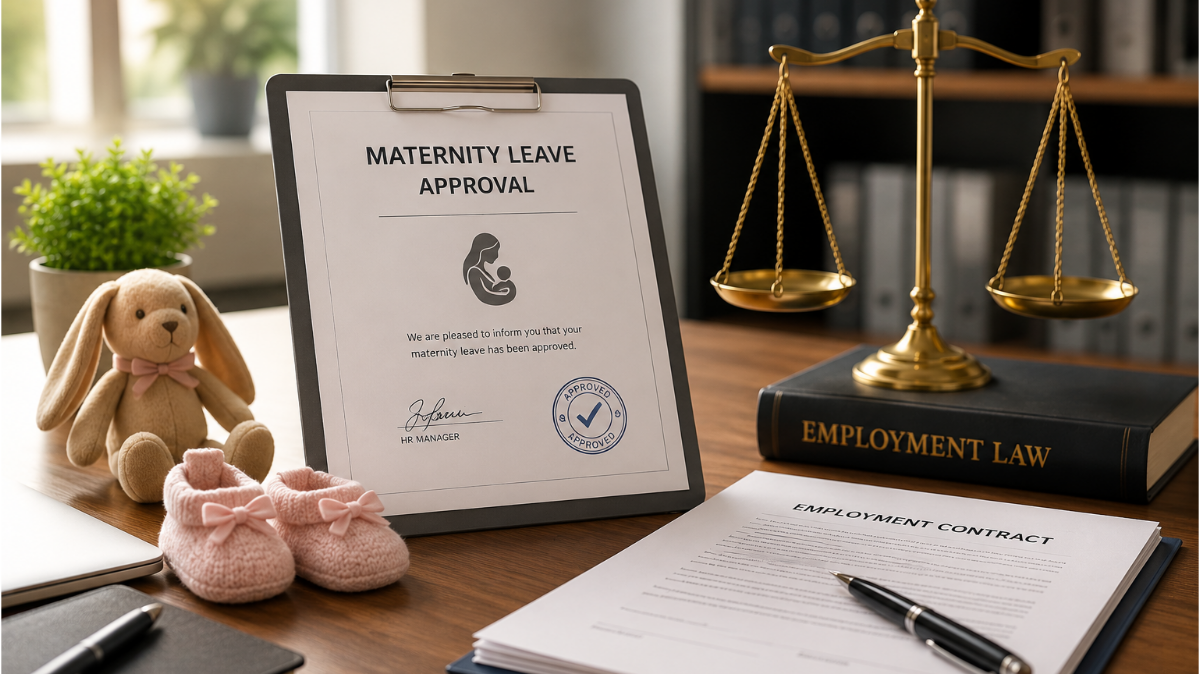
According to the ruling, the complainant was employed in the organisation’s accounting department and had proceeded on approved maternity leave in accordance with applicable workplace arrangements. During her leave, she was informed through a telephone call that her employment would be terminated upon the completion of her maternity leave.
The Ombudsperson noted that no formal termination order or written explanation was provided to the employee. Following an examination of documentary evidence and witness testimonies, FOSPAH concluded that the employer’s actions constituted gender discrimination and psychological harassment linked directly to the employee’s pregnancy and maternity status.
In its findings, the Ombudsperson observed that pregnancy, childbirth, maternity leave, and postnatal recovery are conditions unique to women and that adverse treatment on these grounds violates the principle of equality in the workplace. The ruling emphasised that women cannot be penalised for exercising their lawful right to maternity leave.
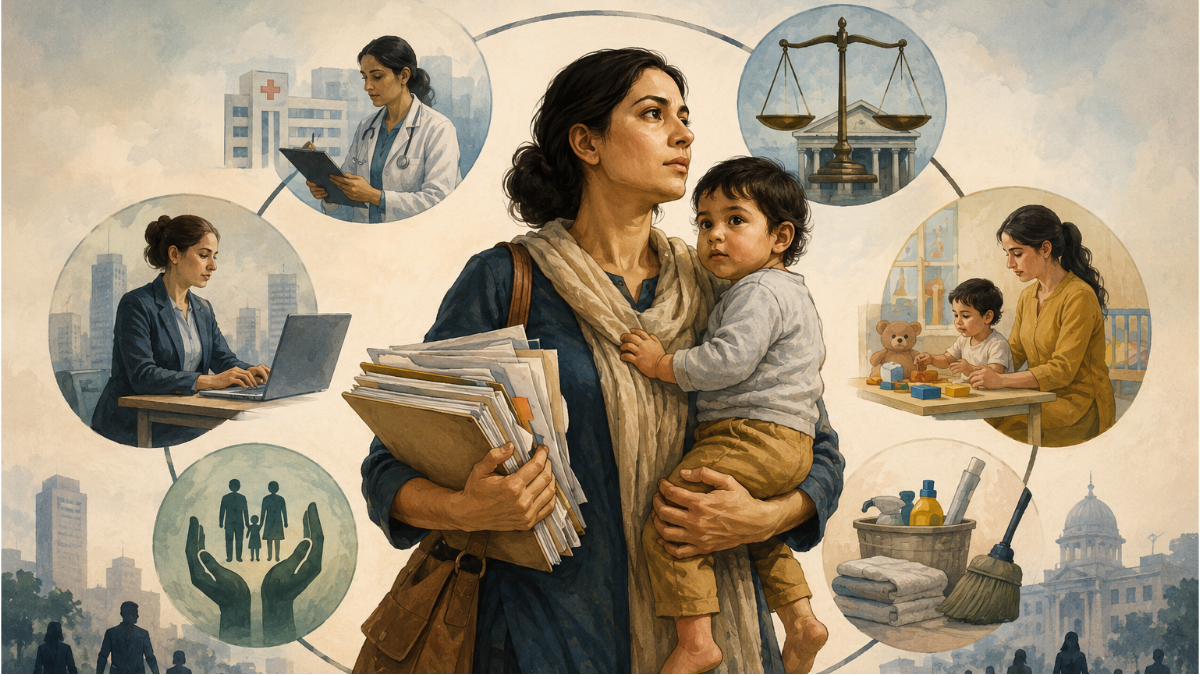
The decision reinforces the importance of workplace protections intended to safeguard women during pregnancy and after childbirth. Labour rights advocates have long argued that maternity-related discrimination remains one of the significant barriers affecting women’s participation, retention, and advancement in the workforce.
Experts note that while legal protections for maternity benefits and workplace equality exist, many women continue to face challenges ranging from job insecurity and reduced career opportunities to workplace bias associated with pregnancy and caregiving responsibilities. Such practices often discourage women from remaining in formal employment and can have long-term economic consequences for families.
The latest ruling sends a clear message to employers that maternity leave is a protected right rather than a discretionary benefit. It also highlights the responsibility of workplaces to ensure that women are not subjected to discrimination, retaliation, or unfair treatment because of pregnancy or motherhood.
The case is being viewed as an important reminder of the need for stronger compliance with workplace protections for women and greater awareness among employers regarding their legal obligations. Rights advocates say effective enforcement of such protections is essential for promoting gender equality, decent work, and inclusive workplaces across Pakistan.
The Ombudsperson’s decision is expected to contribute to ongoing discussions on workplace rights, gender-responsive employment practices, and the measures needed to create safer and more equitable working environments for women.